

Tender Beginnings
MATERNAL OCCUPATIONAL THERAPY
Supporting pregnancy, postpartum, and early motherhood
Serving East Texas and Beyond
What I Do
I provide occupational therapy support for individuals and families in Texas throughout pregnancy, postpartum, early motherhood, and infancy. My goal is to help families feel more supported, confident, and able to manage the everyday challenges that can come with these major life transitions.
Care is focused on making daily life feel more manageable through practical support, education, routines, environmental changes, and strategies tailored to your family’s needs. Services may include support with postpartum adjustment, overwhelm, infant care routines, bonding, feeding, sleep, and emotional wellbeing.
I also offer infant massage instruction, combining nurturing touch, parent education, and occupational therapy principles to support infant regulation, bonding, and caregiver confidence.

Benefits of Infant Massage
Promotes bonding and attachment – Skin-to-skin touch helps strengthen the emotional connection between a caregiver and baby.
Supports relaxation and better sleep – Gentle massage can calm the nervous system, helping infants settle and sleep more easily.
Aids digestion – Massage may help relieve gas, constipation, and colic by stimulating the digestive system.
Encourages healthy development – Regular touch supports body awareness, muscle tone, and coordination.
Reduces stress and fussiness – Massage can lower stress hormones in infants, leading to improved mood and less crying.
Boosts circulation and immune function – Gentle movement and touch can improve blood flow and support overall physical health.
Enhances communication – Massage helps caregivers learn to read their baby’s cues and respond sensitively to their needs.
Support Through Every Stage
Evidence-Based Occupational Therapy for Parents
-
Pregnancy brings major changes to the body, nervous system, routines, and daily life. Occupational therapy support during pregnancy focuses on helping you feel more comfortable, regulated, and supported as you navigate these transitions.
Support may include:
Adapting daily activities to reduce pain, fatigue, and physical strain
Energy conservation and pacing strategies for work, caregiving, and rest
Sleep positioning, routines, and nighttime regulation
Sensory and nervous system regulation for anxiety, overwhelm, or physical discomfort
Preparation for postpartum routines and recovery
Support navigating pregnancy after previous loss or trauma
-
The postpartum period can bring significant physical, emotional, sensory, and identity-related changes. Occupational therapy support during this stage focuses on helping you navigate daily life with more support, regulation, and sustainability as you recover and adjust to caring for both yourself and your baby.
Support may include:
Establishing realistic daily routines and rhythms
Nervous system and sensory regulation for overwhelm, anxiety, irritability, or feeling “touched out”
Recovery support following birth, complications, or NICU experiences
Sleep support and strategies for managing fatigue
Feeding and caregiving routines that feel more manageable and sustainable
Environmental adaptations to reduce stress and support healing
Emotional adjustment to identity changes and role transitions
Collaborative problem-solving around the mental load of motherhood
-
Early motherhood often involves balancing constant caregiving demands while learning your baby’s cues, rhythms, and regulation needs. Occupational therapy support during this stage focuses on creating sustainable routines, strengthening caregiver confidence, and supporting connection between parent and baby.
Support may include:
Infant regulation, soothing, and co-regulation strategies
Infant massage education and responsive touch
Sensory support for both parent and baby
Daily routines, transitions, and caregiving flow
Support for feeding, bonding, and caregiver confidence
Strategies to reduce overwhelm and improve daily functioning
Creating supportive home environments and routines
Collaborative guidance tailored to your family’s unique needs and values
-
Experiences of loss can affect the body, nervous system, emotions, routines, and sense of safety in profound ways. Occupational therapy support after pregnancy or infant loss focuses on providing gentle, individualized care that honors grief while supporting daily functioning and nervous system regulation.
Support may include:
Nervous system and sensory regulation during periods of grief, anxiety, or emotional overwhelm
Support re-engaging in daily routines and responsibilities
Processing changes in identity, roles, and future expectations
Compassionate support during subsequent pregnancies after loss
Environmental and routine adaptations to support emotional wellbeing
Collaborative care focused on safety, pacing, and emotional sustainability
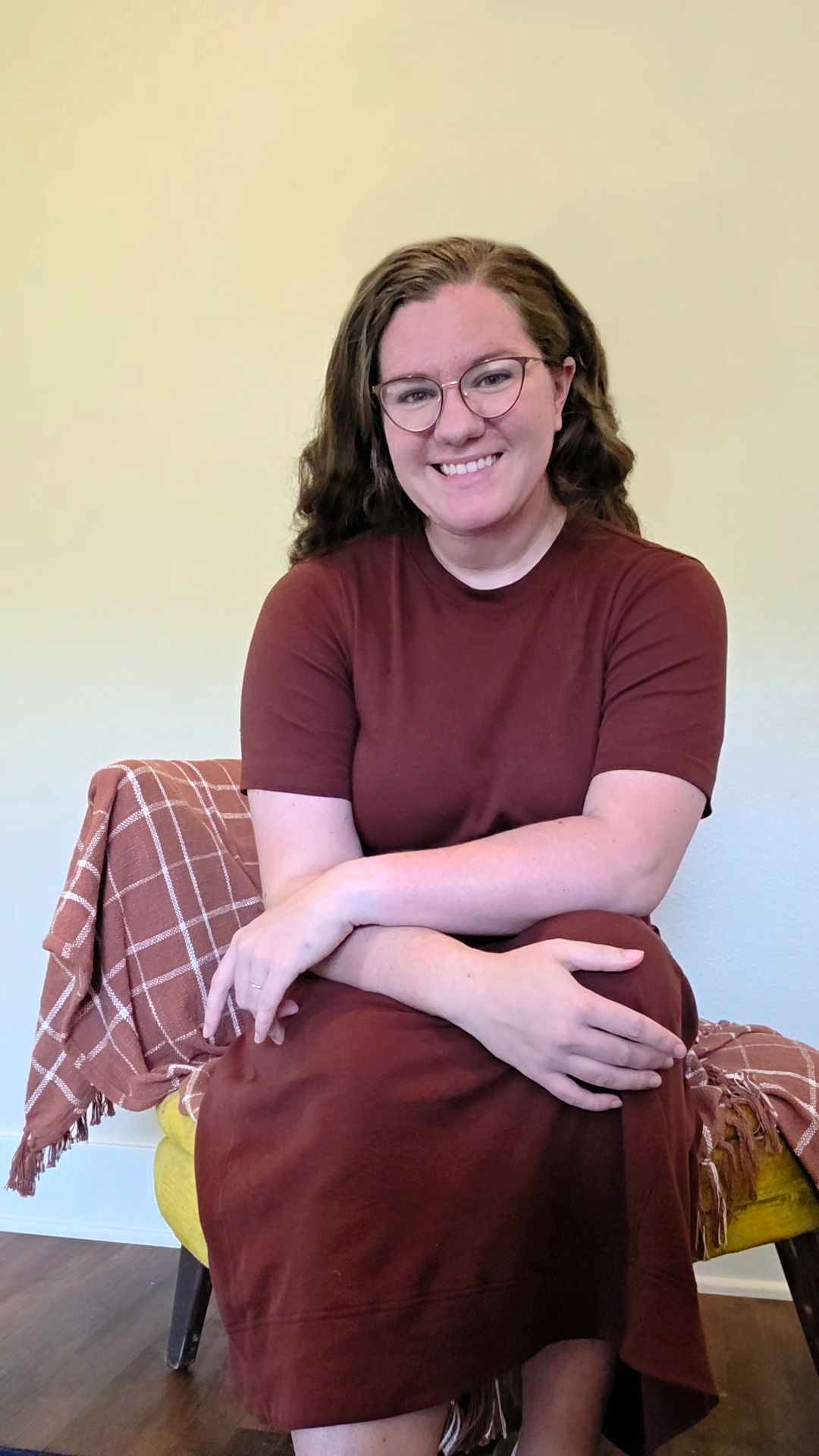
Meet your OT
Hannah Thacker, MOT, OTR/L, CEIM*
I’m Hannah, a licensed occupational therapist with a background in kinesiology and additional training in infant massage and perinatal support. I partner with parents through pregnancy, postpartum, and early motherhood; including those navigating grief or complex transitions. My approach blends clinical expertise with warm, collaborative care tailored to your family’s unique needs. Together, we’ll focus on optimizing your physical recovery, making daily routines feel more manageable, and helping you care for yourself while caring for your baby.
“Hannah provided invaluable postpartum support during the first four months of my baby’s life. Her guidance was essential in establishing healthy sleep routines and daily schedules for my child, and it made a world of a difference for both of us. She also offered compassionate lactation support which helped me navigate challenges with pumping and increasing my milk supply. Hannah’s kindness, empathy, and expertise truly made my postpartum journey smoother and more supported.”
— Mallory Thompson, 2026
Contact Me
Reaching out for support can feel like a big first step. You’re welcome to share as much or as little as you’d like, and I’ll respond with additional information about services, availability, and next steps. Session timing and location will be coordinated together based on availability and your needs. I am typically able to respond within two business days.